Up next in 10



#immigration #blackculture #daca
WATCH our short doc, "Pregnancy is Killing Black Women" now: https://www.youtube.com/watch?v=uUmLRtcdRJY&t=1s
Coming to America is not just a classic Eddie Murphy movie. It is also a life changing event experienced by hundreds of thousands of immigrants every year.
Among them are black immigrants, coming to America from Africa, the Caribbeans, South and Central America, and beyond.
Filmmaker Roman Debotch, an immigrant herself, has always been fascinated by the immigrant story. She enjoys speaking to her fellow immigrants about their stories of coming to America, and that is the conversation she captures in this episode of OURS.
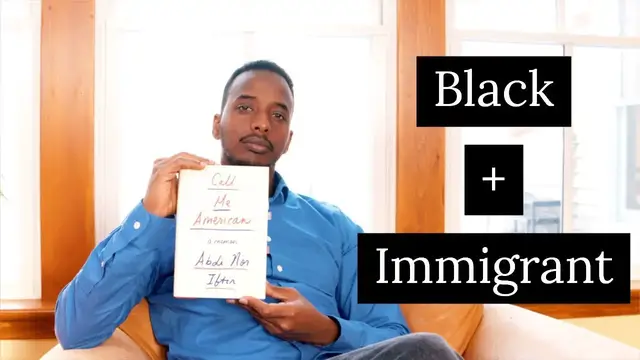
Among the immigrants interviewed is Abdi Iftin. Abdi became famous among listeners of the popular podcast "This American Life" after being the subject of the episode, "Abdi and the Golden Ticket".
Abdi was a Somalian refugee living in Kenya when he won a Diversity Lottery to come to America. His journey turned into a radio documentary for "This American Life"
Listen to that episode here: https://www.thisamericanlife.org/560/abdi-and-the-golden-ticket
Abdi shares his experiences as an immigrant after arriving in Maine in 2014 in this short documentary.
Subscribe to our channel so you don't miss any future videos!
Show More Show Less View Video Transcript
0:00
They think, oh yeah, immigrant is this or that, and then they're like, oh, Justin, you're not from here? What? That's crazy
0:07
And they're like, oh, I knew something was different about you. You know, it's always like that little thing like, oh, okay, makes a little sense
0:15
Makes sense now. Yeah, yeah, so. I moved to the United States with my whole family from Ethiopia at the age of 14
0:37
And one of my favorite conversations to have with my fellow immigrants is their story of coming to America
0:42
I love talking about their expectations of America, what surprised them the most, what disappointed them the most
0:49
what was the reality they faced once they moved here. I had this conversation with three immigrants, a Dakar recipient originally from Colombia, now working for Amazon
0:58
a businessman originally from Barbados, and finally a diversity visa lottery winner originally from Somalia by the name of Abdi
1:08
I learned about Abdi in an episode of This American Life years ago and I immediately identified with his immigrant story
1:15
So how long have you been here now? A little over four years. Four years and three months I think
1:24
I always say the first year is the hardest one to get adjusted
1:29
I think for most people it takes about a year to adjust to things and then after that you're into the system after a year
1:37
You know the first year for me the most difficult thing was understanding people
1:42
Because in America they don't speak English the way they speak on the movies, right
1:49
How so? Explain that. Yeah, it is. It is. The day-to-day conversation had been extremely difficult
2:00
What I mean by that is, you know, they talk about different types of things that..
2:06
And I was someone who had no idea what a mowing alone meant, you know
2:12
So I was sort of learning, you know, new things, new words every day, and new experiences
2:22
My name is Abdi Iftin. I came to the United States in 2014, August 11. I came through the
2:36
diversity visa lottery program and I was a refugee in Kenya before I moved to the U.S
2:43
through the diversity lottery program and then before that I was in Somalia as a locally
2:48
displaced person. But coming to America was just a dream come true
2:55
So the story about how I came to America is not that different from a lot of immigrants
3:00
in the United States. I did not cross the border. I came on a plane like the majority
3:10
of immigrants in the United States with my whole family. It was about almost 13 years
3:17
ago we landed in Florida. We just, you know, my parents just wanted a better
3:23
future for me and my older brother. My name is Justin Rayside. I'm from, originally
3:28
I'm from Barbados. I was born in Barbados, moved out to here in the States when I
3:34
was younger, like eight years old. I remember driving to Orange County from LAX
3:44
and the freeways were just so massive. I thought I was in some futuristic land
3:51
I had never seen anything like that. The freeway system was so impressive and so huge, so complex
3:58
What I tell people in the United States is that people outside the United States, we see America
4:04
We see your Fresh Prince of Bel-Air and your Martin and your Housewife off
4:12
and your cooking shows and your talk shows and your operas. We see you guys, and that's what we learned the United States is
4:20
I thought that high school was going to be like high school musical
4:25
I felt like I was going to come to that movie and it wasn like that at all Well before I came to America I knew America through the movies and television and the image that I saw
4:39
and the songs that America introduced to us and Hollywood. But coming to America was completely different
4:50
I thought that every mile in the U.S., you know, there's a skyscraper
4:57
I thought that people walk up and down the street everywhere. I thought that America was just like Los Angeles or New York
5:06
And honestly, coming to Maine, I felt like I was in another world
5:10
I was a completely different place. I used to have a strong accent, so people were like
5:16
what are you? Where are you from? And I was like, I didn't know that things were different
5:23
I think that every American swears But I realized that that's not true
5:31
I learned English from movies And I thought that's what Americans do
5:35
And those are the first words that I learned I was surprised that it's sort of not really appropriate to swear around some people
5:44
The funniest thing that I found myself in was when I came here
5:48
I didn't know the difference between congested and constipated. I didn't know the difference between both
5:57
They sound the same. So I think I spent mostly like one year, one and a half years just saying I'm constipated
6:05
when I actually was just congested and nobody corrected me. Anytime that somebody was like, oh, I'm sick, I'm like, oh, you're constipated
6:14
And they're like, no, I'm just sick. I'm like, that's why you're constipated
6:18
Nobody corrected me. One of the first things that caught me off guard about America
6:24
was the concept of buying drinking water. So my sister, who's been living here before I arrived
6:32
I think it was my first week or second week here, she had these five-gallon jugs, and she said
6:37
okay, let's go get drinking water. And I remember thinking, what? You have to buy drinking water in America
6:42
Why can't you just drink the tap water? and I thought that was so backwards for such an advanced country to have to go buy drinking water at the water store
6:52
Because back home we just drink the tap water and it's fine. And later on it was explained to me that yeah it is safe to drink the tap water
6:59
but a lot of people just don't like the taste of it. When I was new, one thing that I regret and still makes me laugh is how I underestimated how cold it could be in Maine
7:09
and I thought I could beat the winter and I was excited for it when it snowed and then I remember
7:16
not being able to get outside. I told everyone that I don't even need to bundle up. I don't need
7:22
to get coached because whatever cold it is, I could go out and do something and then I realized
7:26
that I couldn't feel my fingers. I couldn't feel my toes. I couldn't feel my nose and it's been
7:32
freezing cold. I have never experienced such a thing, never in my entire life. And another point
7:38
one day when I couldn't distinguish cat food from human food, and I understand it totally
7:46
because I grew up in an environment where you don't buy cat food at all. The canned cat food
7:53
that I had seen here sort of looks like what we ate back in Kenya or in Somalia, but it comes in a
7:59
sort of like fish can, and it seemed the same thing, and that was also another stupid mistake
8:05
that I had made. When you're DACA you sort of live in a limbo. You live in rented time. It's like having a rent for the United States
8:21
And every two years you have to renew your lease because every two years you have to apply again and show them that you have paid your taxes
8:30
that you don't have any delinquency, any misdemeanor, any felony, you have to go through your fingerprints
8:39
It's like being rented time in America, and every time that you go to release, you know, to renew your lease
8:44
you have to prove that you're worth renewing it, regardless of the fact that I put more into United States economy
8:54
more than the, you know, average American, because I don't receive governmental help
9:00
I don get Section 8 housing I don get food stamps I don get Medicare I don get none of that stuff but I pay my taxes I think a lot of foreigners a lot of immigrants also struggle with loneliness when they come here unfortunately
9:13
I can mostly, I guess, speak for other Ethiopians like myself that come here
9:19
especially if they were older when they got here and have had full lives
9:24
Like they went to school, they had work and a bustling social life
9:30
And they come here and one, they have to possibly work one, two jobs, some three jobs to make ends meet, send money back home
9:42
So they encounter a very, very difficult work life. And also there's not that social life they're used to
9:49
Going over to somebody's house at a moment's notice, meeting up at cafes every day after work, you don't have that here
9:58
So they struggle with that. And that's definitely something I warn others about when they first come here
10:05
Not in a bad way, but just for them to be mentally prepared. So what does it mean to be a black immigrant to you
10:12
Do you feel like you're an immigrant since you came at a young age? I do feel like an immigrant and I don't because I've been here long enough to like know and blend in or whatever
10:27
But I mean, I had a green card all my life. I just, I literally two years ago got my citizenship here
10:35
So, you know, I've always had that shadow of immigrant status over me
10:41
I come from a culture where we identify ourselves by our tribes or by the country of origin
10:52
But coming to the United States, I had something that happened quickly was that I had to be identified with my color, the skin color
11:01
So not only being black or immigrant American, but also it's sort of frightening to think of who I am today
11:16
For example, I'm a Somali. I'm a Muslim. I'm an immigrant. I'm a refugee
11:24
Diversity lottery winner. I'm a person of color. So these are the things that sort of seem scary today when you look at the news that's out there
11:34
and the government that we have today that's sort of put Somalia under one of the seven countries
11:40
to be banned from entering into the United States. I tell people all the time that I learned that I was Latina in the United States
11:50
but I've always been black. And it was very, it was a very shocking experience to see that I was also black in the United States
12:00
That was probably the most surprising part because growing up in Colombia, I grew up in a society that was very white
12:08
And so I lived through racism there and prejudged. And I was very young, you know, like we, the only thing that we saw in Colombia from people of color
12:20
what they were the mates or whenever they do like a movie from slaves they were the
12:24
slaves but then you know coming here because I saw I learned from you know
12:29
Will Smith and the movies and hip-hop like I thought we're gonna be different and more acceptable to be black and then I actually came here and I realized that
12:36
you still have to pay a price for being another color want to come here it is
12:40
not like the movies. Do you feel like there's a gap between African-Americans and
12:44
and then black immigrants? Between like, you know, an African American and a black immigrant
12:52
there's a dissonance where it's kind of like, the African American, if they don't know that you're a black immigrant
13:02
or if they do, they'll look at you like, okay, what is this person about
13:06
You know, like, or you're trying to figure out if they're you, or if you guys share the same experiences
13:12
And most of the time we do. Like black immigrants and African-Americans
13:15
we relate to each other very well. I guess I'm a hybrid, because I've been here and I'm not from here, so it's like
13:21
So you're actually the perfect person that can connect both worlds. Yeah
13:25
Because you can get it from both perspectives. And then African-Americans can relate to you
13:29
that having that initial thought they would have about an immigrant Because to you you like oh you one of us Right right They think oh yeah immigrant is this or that And then they like oh Justin you not from here What That crazy
13:44
And they're like, oh, I knew something was different about you. You know, it's always like that little thing like, oh, okay
13:50
It makes a little sense. Makes sense now. Yeah, yeah. So, I mean, to keep it real, Barbados, West Indies, we was the first one off the ship
13:58
So, like, we feel this. We share the same experiences. Well, another expectations that a lot of immigrants have about America is that the streets are paved with gold, right
14:14
That's the old saying. Opportunities everywhere. And that's partly true and partly not true
14:21
You don't just get hands out when you come here. You don't just find gold on the streets
14:25
But there are a lot of opportunities that are hard to come by in a lot of other countries and even developed countries
14:31
but you have to work for it. You have to work long hours
14:36
You have to work hard for it. So what exceeded my expectations in the United States
14:42
was that you still got the ability, regardless of the prejudice and the racism
14:48
you still have the opportunity to make something out of yourself. I would never have gotten as far as I got in life
14:54
if I would not have come to the United States. My dad, he's a stud
15:01
And that's where I learned my work ethic from. And now he's the brand ambassador for Rolls-Royce and Bentley and Russnack
15:09
So he climbed his way up tenfold in the car industry from starting at Honda to being where he's at now
15:18
And he came at a late age, like almost 30 years old. So to see that happen while I'm growing up here, it's like, all right, there's no excuse
15:29
because this man is getting up every morning, driving, I think two hours in traffic
15:35
to get to where he needs to to work all day to, you know, hustle and bring home the cake
15:42
So is the American dream still alive for immigrants? Very well. It's very well alive
15:51
I wrote this book to tell the true immigrant story. to show and educate the world of who we are
16:06
And it's specifically a story of myself. It's a memoir. And I was called by my friends, the nickname American
16:18
when I was 10 years old, living in the world's most dangerous city, Mogadishu
16:24
and earning that name didn't come easy because I became a movie translator
16:30
I fell in love with the American Marines on the streets of Mogadishu and Hollywood has made a movie out of this
16:36
called Black Hawk Down but I was right there personally experiencing this
16:41
But when I moved to the US and I was sort of relaxed
16:47
and found a safe place to sit down, I thought it's an important thing
16:51
specifically at this time because it's enlightening, but it's also timely to tell our stories because immigration, refugee has been on the news lately
17:05
Are there a lot of stereotypes towards Africans? So this is both funny and not funny because the stereotypes I encountered about Africans is
17:16
in a question form. I've been asked before if we eat zebras
17:21
if we have seen lions roaming on the streets, I guess. I've been asked if I've been to Zamunda
17:28
which, by the way, is a fake country, doesn't exist. People assume we don't have, like, normally built homes
17:35
and everybody lives in huts. That's not the case. There are some that do, obviously
17:41
In the cities, we don't have that. No, I've never seen a zebra. I've never seen a lion
17:45
I've never seen an elephant. I've never seen a giraffe, a hyena
17:51
What did I miss out? Huh? Until you got here. Until I got here and went to the San Diego Zoo
17:58
Sadly enough. Oh my gosh. That's it
18:08
Thank you very much
#People & Society
#Discrimination & Identity Relations
#Human Rights & Liberties
#Documentary Films